Part of the CAAGE ‘how to’ series
How to: Mental Wellbeing
How to find the right mental health support FOR YOU after grooming.
““The worst things that Maxwell and Epstein did to me weren’t physical but psychological…. From the start they manipulated me… From the start, I was groomed to be complicit in my own devastation.””
“There is no one-size-fits-all approach to recovery; there is not one modality that is ‘better’ than another, and no quick fix. No two nervous systems respond in exactly the same way.
Yes, there are patterns. We see common survival strategies, coping responses, and pathways of resilience. But these patterns are not benchmarks nor timelines.
They are never intended to be compared.
Each survivor’s response is unique.”
When you’ve been groomed, it’s important that you pick the support that's right for you personally at the time that’s right for you.
You’ll find some suggested resources below.
Don't dismiss your doctor if you need any counselling or mental health support. Some are incredibly effective at accessing the mental health system.
This resource is continuously developed: if you have something you think we should add, do contact us - we promise to take a look.
Dealing with the Consequences of Grooming
-
Addiction, alcohol and drugs
Around 4% of the targets of adult grooming suggested idrug and alcohol addiction as a serious consequence of having been groomed.
We’re conscious that this may be higher.
So where to get help?
Al-Anon offers support to families and friends of people with alcohol problems.
Alcoholics Anonymous The AA is an effective support group to help people who have a problem with alcohol. It also has a helpline.
Frank: find drug and alcohol support near you. (Or call0300 123 6600)
NA (Narcotics Anonymous) is an organisation run by recovering drug addicts who can help you get and stay clean.
NHS Alcohol misuse services offer treatment options for alcohol misuse
Smart Recovery is a charity that supports recovery from addictions
WithYou WithYou offers drug and alcohol support services
Alcohol: TIPS FOR CUTTING DOWN(From Alcohol Change)
-

Anxiety
Almost 20% of victims of adult grooming report anxiety - and related sleep problems - as one of the consequences of grooming.
This CALM Guide offers clarity and advice on the subject: CALM Guide, Anxiety
Safeline has created resources to help with Anxiety and Panic Attacks.
There is a government site to help access talking therapies for anxiety and depression: access help here. (Be advised that there is often a wait.
Find CAAGe counselling resources, including the CAAGe x Wobble service: Counselling resources.
-

Depression
Find NHS Talking Therapies for anxiety and depression: here
Find CAAGe counselling resources, including the CAAGe x Wobble service: Counselling resources.
Depression in Men: Specialist reources
BACP therapists highlight the symptoms of depression in men and explain how therapy can help: R.A.I.S.E
The National Male Survivor Helpline telephone number: 0808 800 5005
-
Dissociation/Disassociation
Dissociation is feeling disconnected from yourself and the world around you - even detached from your body or where the world around you feels unreal.
We see no need to ‘reinvent the wheel’: the Survivors Trust have an amzingly detailed resource to help you identify, and deal with. dissociation: Survivors Trust Dissociation Resources
Dissasociation is similar, and is a more mentioned consequence of adult grooming in research.
Spelled and pronounced almost the same, the terms are used to describe very similar ideas.
Dissasociation is generally believed to be shorter term and less serious than dissociation. Both can be responses to trauma.
Grounding
There are grounding techniques in the video below - but reach out for help if you need it.
The CDS
CDS is the Clinic for Dissociative Studies. If treatments you’re receiving through the NHS aren’t working, you can ask for a referal.
Diagnosis
You can sense something’s not right and look for self help. but if you’re struggling, do use the Survivors Trust links above to seek support.
CDS UK has some screening tools to use to help understand your own level(s) of dissociation (but are not a substitute for a full diagnostic assessment.)
-

Forgiveness
YOUR choice!
Warning: the following video links are on Facebook:
-

PTSD and CPTSD
Almost 40% of victims of adult grooming - a figure almost certainly understated - suffer from PTSD/CPTSD as a result of the experience.
CAAGe looks at the difference between the two conditions and the help available: PTSD and CPTSD
We found this great article on why it’s important to take it slowly and not expect a quick fix: Why You Can’t be in a Rush to Heal from Trauma.
-

Sleep problems
We can’t talk about anxiety without also looking at how to address sleep problems.
And as, apparently, around 40% of us have sleep problems anyway, it never hurts to help! Sleeping well will help with just about everything else in our lives, from weight issues to grumpiness!
CAAGe has created a sleep resource with some suggestions for better sleep: CAAGe sleep suggestions
-
Suicidal thoughts
One of the hardest consequences of adult grooming to read about is the recurrence of suicidal thoughts.
The groomers have taken enough - we urge you to get help if this is how you’re feeling. Even if you’ve conquered those feelings before:
If you are in crisis, feeling like you may act on suicidal thoughts, call 999 (or try 111 online).
The Samaritans can be called on 116 123, and have other ways to be in touch The Samaratins.
Shout is a free, confidential and 24/7 text messaging service for anyone in the UK who needs support. text the word ‘Shout’ to 85258.
This Survivors Trust video deals with dissociation grounding technique - grounding techniques than be applied when experiencing many of the consequences of adult grooming, including stress, overwhelm and even harmful negative thoughts.
We’re not for one minute suggesting that ‘one size fits all’, but some of the techniques here may be helpful for you.
The more tools we have at our disposal, the better our chances of coping positively
Video created by Alcohol Change UK: the first steps to opening up about what may be an issue.
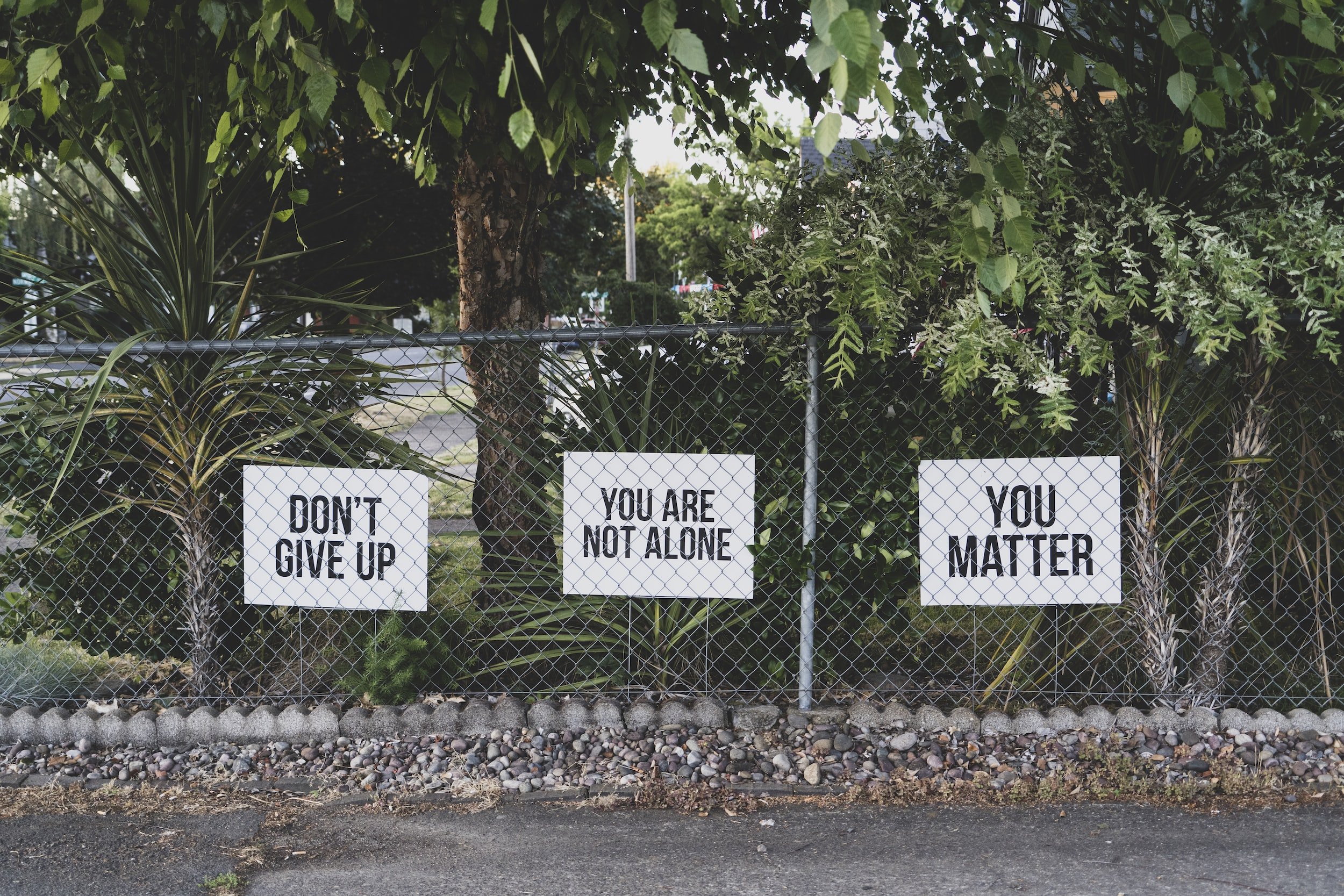
You DON’T have to face it alone.
Sources of support
Mental health services are not always easy to access and finding the right service for you or a loved one may take time. As you can see from the list on the right, there are all kinds of places that may be able to help.
Stick with - getting the help that’s right for you after grooming ius vital - keep going until you find what works for you.
It’s not your fault that you were targeted for grooming - you need and deserve appropriate help. We all do.
-
-
-
If part of your journey has left you with an addiction to alcohol, Alcoholics Anonymous may be able to offer you support that’s right for you
Alcoholics Anonymous, or AA, is a community of people who aim: to stay sober, and help other alcoholics to stop drinking.
It is not connected with any sect, social, religious, or political organisation or institution.
-
Alcohol Change UK is n alcohol charity, formed from the merger of Alcohol Concern and Alcohol Research UK.
-
The BACP will help you find a checked and qualified therapist. Choose your therapist carefully. If you are looking for help because you've been groomed, try and find one who has experience/is trained in sexual abuse and is trauma informed.Sexual grooming doesn't fit neatly into the sexual abuse box, but these specialists are about as close as you'll get at the moment.
-
A service to help you find the right person when you need to talk: Befrienders
-
Counsellors with a good understanding of grooming and a healthy approach: CAAGe counsellors
-
C.A.L.L offers emotional support and information/literature on Mental Health and related matters (Wales).
-
Although not specialists in grooming, CALM appears to be a useful resource when dealing with many of the issues that can arise for victims of grooming.
-
The Counselling Directory is a useful resource for finding therapies suitable for you - please vet your counsellor carefully for experience, qualifications and understanding of the grooming you’ve been subjected to:
-
This pamphlet has been developed as part of the Women’s Aid Deserve To Be Heard campaign, d for survivors who find themselves struggling with their mental health after experiencing domestic abuse:
https://www.womenstherapyleeds.org.uk/wp-content/uploads/DTBH-Leaflet-WEB-full.pdf
-
Help and advice on drugs
-
Life Coaching - There is no link here to life coaching organisations because not all life coaches are born equal and there is no set standard. We advise people to seek personal recommendations - a life coach who advises on diet or careers is very different from one who can help you overcome the effects of grooming.
-
The National Male Survivor Helpline and Online Support Service is run by Safeline.
Call: 0808 800 5005
(Check opening hours, no call back service.)
Male Survivor SMS Text Service – text 07860 065187 (texts charged at users standard rate).
Male Survivor Email Service – email support@safeline.org.uk. You can email any time. They aim to reply within seven working days.
There is also a live chat service on their web page: https://safeline.org.uk/services/national-male-helpline/
-
Clear, practical advice and support for people experiencing issues with mental health and money - not uncommon in victims who’ve been groomed
-
Support for Under 25’s: siupport groups, counselling and life skills training.
-
Nexus = Free counselling for anyone who has experienced sexual violence in Northern Ireland.
-
Although we are all aware of the delays and shortfalls of the NHS Service, there is still a good quality service, free and worth applying for: How to access NHS Mental Health Services
-
-
PTSD UK - - If you feel traumatised by what has happened, it's worth considering that the symptoms you experience may be PTSD (Post Traumatic Stress Disorder). Contrary to what many believe, it doesn't just happen in war zones!
-
Rape Crisis has put together a range of self help tools for victims who want to work through things themselves: Self help tools
-
Respond - Respond exists in order to lessen the effect of trauma and abuse on people with learning disabilities, their families and supporters.
-
Rethink offers advice and information for people with experience of mental illness
-
Safeline is a specialist sexual violence and abuse charity. They offer a range of therapies, including face to face counselling, telephone counselling, and a National Males Survivor Service (see above).
Call 01926 402498
-
The Samaratins "offer a safe place for you to talk any time you like, in your own way – about whatever’s getting to you. You don’t have to be suicidal." Open 24/7.
Call 116 123, or one of the many options the Smaratins offers: https://www.samaritans.org/how-we-can-help/contact-samaritan/
-
SANEline is a national (British) out-of-hours mental health helpline. It offers emotional support, guidance and information to anyone affected by mental illness.
The service is open to sufferers, their family, friends and carers.
Open 4pm-10pm daily.
Call 0300 304 7000.
Email and text support are also available.
-
A Twelve Step, Twelve Tradition oriented Fellowship based on the model pioneered by Alcoholics Anonymous.
-
Survivors Trust: "Raising awareness about sexual abuse and/or rape and its effects on survivors, their supporters and society at large."
Tel: 08088 010818
Text: 07860022956
Useful Resources
Free Courses and Resources
-

Image based abuse: Recovering and Rebuilding Ourselves
A free course from Bloom, created by the charity Chayn.
-

Sexual Trauma: Healing
Healing from sexual trauma is a course from Bloom, created by the charity Chayn
-
Sexual Violence: Caring for yourself afterwards
This is a free course from the Victim Focus organisation.
-
Toxic and abusive relationships: Recovery
Recovering from toxic and abusive relationships is a free course from Bloom, created by the charity Chayn
Understanding the Different Sources of Support
-

Autism: Understanding poor therapy experiences for autistic people
“Not understanding the ‘unwritten rules’ which guide social expectations is a common experience for autistic people”
John Redwood, autistic himself, takes a look at how autism is a factor behind the so-called ‘deficit in social reciprocation’, a key diagnostic criteria.
-

Coping after a Traumatic Event
The Royal College of Psychiatrists has created a guide on ‘How to Cope After a Traumatic Event’.
-

Counsellor, psychologist or psychiatrist?
Most people recovering from grooming will need some support, and it is commonly a counsellor. This article by Quest (psychologists) looks at: what’s the difference between a counsellor, psychologist and psychiatrist?
-

How to select a counsellor
CAAGe page on choosing a counsellor
-

Types of Counselling Therapy Explained: Counselling Directory list
A Counselling Directory list of types of counselling therapies available: Types of therapies
-

Types of Counselling Therapy Explained : NCPS list
The NCPS Guide to Types of Counselling Therapy
-

When counselling goes wrong
The BACP has created a guide: What to do when counselling goes wrong
Please note that this is not advice for when counsellors abuse.
-

What is a counselling psychologist?
This article, written by psychologists, explains what a counselling psychologist is and does.
-

What is Psychotherapy?
“Psychotherapy recognises the lasting impact of trauma. This is when stressful events you experience or witness make you feel unsafe, helpless or vulnerable. You’ll work with a therapist to think about what has happened to you, not what is wrong with you. The focus is on compassion, listening and understanding rather than diagnosing.”
The UKCP explains: here
-

What is an ISVA?
An ISVA is an Independent Sexual Violence Advisor, there to provide independent support to victims of sexual violence and sexual abuse.
Rachel’s Story, Respond