


Part of the CAAGe ‘How to’ series
Finding legal support for victims of Adult Grooming

Who can offer legal support (UK)?
A lawyer is anyone who can give legal advice: solicitors, barristers, and legal executives.
The differences are explained below to help decide who to go to if you need legal help, and what they do.
We have also listed who to go to if things go wrong.
Solicitors
What is a Solicitor
A solicitor is a qualified legal professional who provides specialist legal advice on different areas of law and is responsible for representing and defending a client's legal interest.
Traditionally solicitors only represent clients in the magistrates' court but they can now qualify to o (like barristers) represent clients in the Crown Court and appeal courts. These solicitors are known as HCAs (Higher Court Advocates).
There are various regulatory bodies concerned specifically with the regulation of solicitors’ practices:
Legal Services Board (LSB)
The LSB’s role is:
regulation of approved regulators and the Solicitors Disciplinary Tribunal
oversight of the Office for Legal Complaints (which is responsible for administering the Legal Ombudsman scheme)
making recommendations to amend the list of reserved legal activities
setting up voluntary arrangements to improve standards (if required)
Law Society/Solicitors Regulation Authority (SRA)
The Solicitors Regulation Authority (SRA) regulates solicitors in England and Wales. It is meant to represent the public. Although the SRA was formed as a Board of The Law Society, it is an independent body. Although it is not representative of, or responsive to, the profession, and is headed by non-lawyers, we have rarely seen them uphold or take seriously a complaint about solicitors practise that is not financially based.
Solicitors Disciplinary Tribunal (SDT)
The Tribunal adjudicates upon alleged breaches of the rules and regulations applicable to solicitors and their firms, including those of the SRA, and are designed to protect the public, including consumers of legal services. They aim to maintain the public's confidence in the reputation of the solicitors' profession for honesty, probity, trustworthiness, independence and integrity.
It can also adjudicate upon the alleged misconduct of registered foreign lawyers and persons employed by solicitors. It also reviews applications by former solicitors for restoration to ‘the Roll’* and by indefinitely suspended solicitors for determination of suspension. *Before joining the Law Society, solicitors must apply to be registered with the Solicitors Regulation Authority (SRA). This register is known as the Roll of Solicitors in England and Wales.
The Tribunal is independent of the Law Society and the Solicitors Regulation Authority, which instigates the majority of the cases dealt with by the Tribunal. The remaining cases are commenced by members of the public. The Tribunal's decisions are subject to a right of appeal to the High Court.
Legal Services Consumer Panel
The Legal Services Consumer Panel provides independent advice to the Legal Services Board about the interests of legal services consumers. The panel does not provide legal advice or respond to individual complaints about the legal services received.
The Legal Ombudsman
The Legal Ombudsman deals with complaints about regulated providers of legal services.
The Office for Legal Complaints (OLC) is the board of the Legal Ombudsman, the free service that investigates complaints about lawyers in England and Wales.
Barristers
Who regulates solicitors?
There are various regulatory bodies concerned specifically with the regulation of solicitors’ practices. These are the:
Legal Services Board (LSB)
The LSB’s role is:
regulation of approved regulators and the Solicitors Disciplinary Tribunal
oversight of the Office for Legal Complaints (which is responsible for administering the Legal Ombudsman scheme)
making recommendations to amend the list of reserved legal activities
setting up voluntary arrangements to improve standards (if required)
Law Society/Solicitors Regulation Authority (SRA)
The Solicitors Regulation Authority (SRA) regulates solicitors in England and Wales. It is meant to represent the public. Although the SRA was formed as a Board of The Law Society, it is an independent body. Although it is not representative of, or responsive to, the profession, and is headed by non-lawyers, we have rarely seen them uphold or take seriously a complaint about solicitors practise that is not financially based.
Solicitors Disciplinary Tribunal (SDT)
The Tribunal adjudicates upon alleged breaches of the rules and regulations applicable to solicitors and their firms, including those of the SRA, and are designed to protect the public, including consumers of legal services. They aim to maintain the public's confidence in the reputation of the solicitors' profession for honesty, probity, trustworthiness, independence and integrity.
It can also adjudicate upon the alleged misconduct of registered foreign lawyers and persons employed by solicitors. It also reviews applications by former solicitors for restoration to ‘the Roll’* and by indefinitely suspended solicitors for determination of suspension. *Before joining the Law Society, solicitors must apply to be registered with the Solicitors Regulation Authority (SRA). This register is known as the Roll of Solicitors in England and Wales.
The Tribunal is independent of the Law Society and the Solicitors Regulation Authority, which instigates the majority of the cases dealt with by the Tribunal. The remaining cases are commenced by members of the public. The Tribunal's decisions are subject to a right of appeal to the High Court.
Legal Services Consumer Panel
The Legal Services Consumer Panel provides independent advice to the Legal Services Board about the interests of legal services consumers. The panel does not provide legal advice or respond to individual complaints about the legal services received.
The Legal Ombudsman
The Legal Ombudsman deals with complaints about regulated providers of legal services.
The Office for Legal Complaints (OLC) is the board of the Legal Ombudsman, the free service that investigates complaints about lawyers in England and Wales.
Barristers and Advocates (the Scottish equivalent)
A barrister specialises in courtroom advocacy and provides legal advice.
Barristers advocate, represent and defend clients at all levels of court, and at tribunals. They work independently and are trained to provide an objective assessment of any case. They are qualified to represent clients in the following courts:
The Crown Court
The High Court
The Court of Appeal
The Supreme Court
Once qualified, barristers are ‘called to the Bar’ undertake additional training to earn the right to appear and argue on someone’s behalf in a court.
The main difference to a solicitor is that a barrister defends people in Court, while a solicitor generally does the legal work outside Court. However, there are some exceptions, including a Solicitor Advocate.
In Scotland there are no barristers - the equivalent is an advocate.
Who regulates Barristers?
The Bar Standards Board (BSB) sets standards of behaviour expected from barristers. It can take action where it needs to if those standards aren’t being met.
Who regulates Advocates?
The Faculty of Advocates is the governing body. It operates in a similar manner to the SRA, representing the industry.
OTHER LEGAL PROFESSIONAL ROLES
-

Kings Counsel (KC)
‘King’s Counsel’ (KCs) are appointed from amongst practising advocates (both barristers and solicitors). They earn the title by demonstrating excellence in advocacy in difficult cases in the higher courts of England and Wales (or in tribunals or arbitrations).
The King’s Counsel Selection Panel recommends appointments to to the Lord Chancellor and there is an applications procedure.
KCs are equipped to deal with the most complex cases and are considered leaders in their field.
It is considered a prestigious title.
-

Legal Executives: What is a legal executive?
A legal executive is type of lawyer, but without as many ways of representing people as Solicitors and Barristers.
Read more: allaboutlaw.co.uk: What is a Legal Executive.
-

McKenzie Friends: What is a McKenzie Friend?
Going to court can be made easier by using a regulated lawyer such as a solicitor., but not everyone can offord a lawyer.
If you represent yourself in court, McKenzie Friends can encourage and help you in court.
They are not regulated, but membership of SPMF (below) means they must adhere to a professional code of conduct.
-

Paralegals: What is a 'paralegal'?
A paralegal has knowledge of the law but is not yet qualified.
See the lawyerportal.com explanation: What is a Paralegal?
NAVIGATING THE UK LEGAL SYSTEM
A growing resource to help as you make your way through the complex and confusing UK legal system
-

What to expect from the justice system
A guide created by the Victims Commissioner in Britain: What to expect
The guide covers:
Reporting a crime
Charging and bail
Before the trial
The trial
After the trial
Parole
Claiming compensation
Restorative justice
How to complain
-

Navigating the Criminal Justice System & Support Services for LGBT+ Survivors
There can be specific issues faced by the LGBT+ community.
This has been highlighted in a report by Galop.
The report offers suggestions of where to get help at the end, and for many, whilst it sometimes makes uncomfortable reading, it will validate their own experiences.
Navigating the Criminal Justice System & Support Services as an LGBT+ Survivor of Sexual Violence
Sources of Legal Support
-
Going to court without a solicitor or barrister.
-
The Citizens Advice Bureau can help with sound legal advice, free of charge.
Wales (in Welsh)
Whilst this was once the place we would have suggested people start, the service has been reducing, and their funding cut to the point where we’d consider this worth a try, but cannot, hands n hear, be sure of what help might be availe.abl
-
The Disability Law Service provides free legal advice to Disabled people and their carers “to ensure that they have access to their rights and justice”.
-
The Law Society has a ‘Find a Solicitor’ service.
-
The Law Society of Northern Ireland has a ‘Find a Solicitor’ service
-
The Law Society of Scotland holds contact details of law firms throughout Scotland regulated by the Law Society of Scotland.
-
The JDF is a US 501(c)(3) nonprofit committed to empowering survivors of tech-facilitated sex trafficking, child sexual abuse material (CSAM), and image-based sexual abuse to seek justice through strategic litigation and advocacy.
-
LAW CENTRE NI - for legal advice
Belfast Office, Tel: 028 9024 4401
Email: admin@lawcentreni.org
Law Centre NI offers free, independent and specialist legal advice, casework and representation in the areas of social security, employment and immigration.
This is particularly important for anyone subjected to trafficking or modern day slavery.
-
UK Legal Aid is very limited, but you can check to see if you qualify below. The links go through government sites:
Northern Ireland (A solicitor needs to apply)
-
This is the government site to help you find a Legal Aid Advisor in England and Wales
-
Legal Choices offers independent, factual information about legal issues and legal advisers
-
Help and advice about paying for legal support from Legal Choices
-
A McKenzie friend may be able to help you navigate the court system. They are sometimes paid, and are not a replacement for legal representation
-
The Action Fraud National Economic Crime Victim Care Unit (AF-NECVCU) is a team of specialist advocates working within the City of London Police that supports people who have fallen victim to fraud and cybercrime, with the aim being to make them feel safer and reduce the possibility of them becoming a repeat victim. They can advise on the recovery of losses
-
Support Through Court is a charity supporting people who face civil and family court actions alone so they can represent ythemselves.
-
Victims of sex trafficking, online child sexual exploitation, or image-based sexual abuse who want information about possible legal assistance options can apply here:
-
Victim Support can help you define whether a crime has been committed: What is a Crime?
Book Reviews
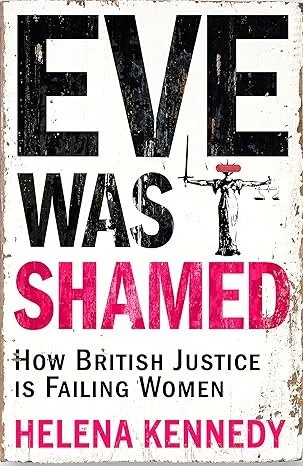
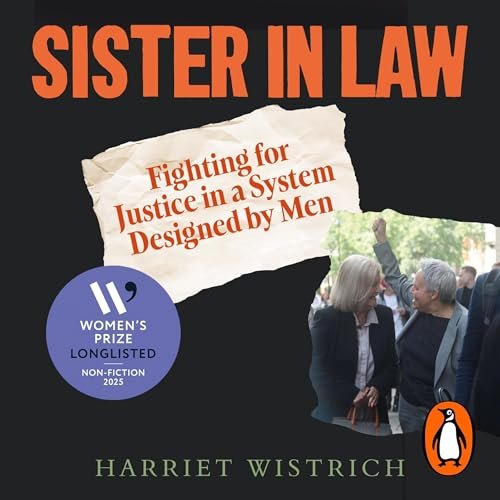

Coming soon:
More sources of support
Criminal versus civil law