Understanding Self-Harm: How Emotional Distress and Grooming Intersect – and How to Find Support
What is self-harm?
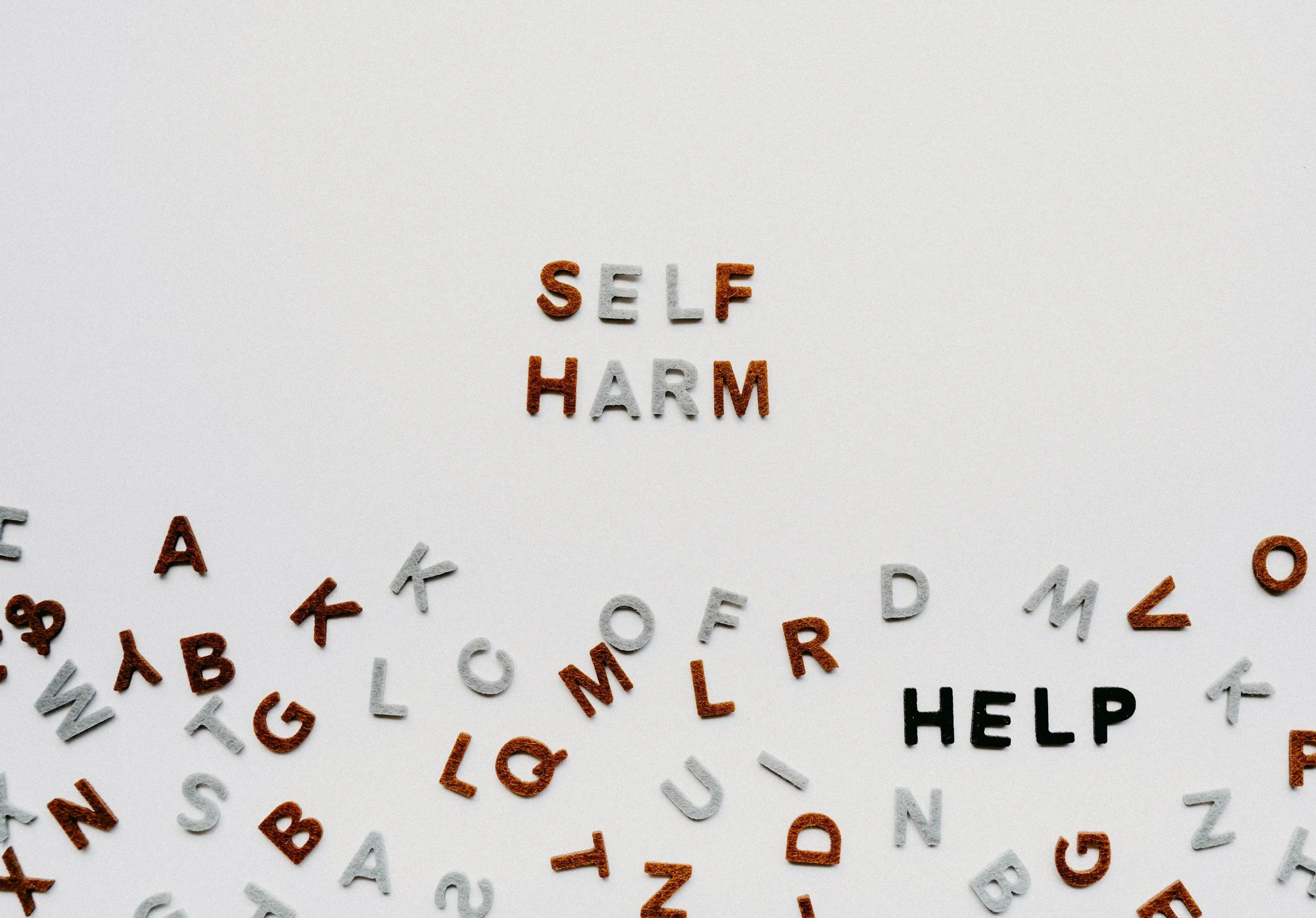
Self-harm is described by the NHS as the act of deliberately harming ones self as a means to deal with difficult emotions, painful memories, or overwhelming experiences and situations.
Self-harm can include cutting, burning, hitting oneself, ingesting harmful substances, or engaging in behaviours that intentionally cause physical pain. While the physical injury is often visible, the emotional reasons behind self-harm are complex to understand and frequently hidden.
Globally and within the UK, self-harm remains a significant public health issue. It has become an increasingly prevalent problem in the UK, with rates of self-harm of 16-70 year olds rising from 2.4% to 10.3% over the last 20 years. Furthermore, research indicates that more than half of individuals who engage in deliberate self-harm present a significant suicide risk, highlighting the seriousness of self-harming. Despite this, many people who self-harm struggle in silence, often due to fear of being judged or misunderstood.
What leads someone to self-harm?
There is no single cause of self-harm. Instead, it is often the result of a combination of emotional, psychological, and situational factors. People who self-harm may feel overwhelmed, powerless, unable to express their emotions safely. Below are a few factors that have been known to precede self-harm:
Coping with overwhelming emotional distress
When feelings become too intense to manage, self-harm may feel like a release or a way to regain emotional control.
Responding to intrusive thoughts
Disturbing or persistent negative thoughts can lead someone to harm themselves as a way to interrupt, silence, or cope with them.
A desire for control
In situations where a person feels powerless—whether due to trauma, stress, or manipulation—self-harm may feel like the only thing they can control.
Self-punishment
Some individuals internalise guilt or shame and believe they deserve to be hurt, although this belief is commonly rooted in trauma or emotional pain rather than truth.
A cry for help or communication of distress
Self-harm can sometimes act as a non-verbal communication that a person is struggling and needs support when they feel they cannot ask for it directly.
Victims of adult grooming and self-harm
Grooming is a manipulative process in which an individual is targeted, controlled, and exploited—often emotionally, psychologically, or sexually—by another individual. The effects of grooming can be profound and long-lasting, with . Victims frequently experience trauma, fear, confusion, isolation, and a deep sense of violation or betrayal.
The Campaign Against Adult Grooming (CAAGe) defines adult grooming as a form of coercive manipulation designed to break down boundaries and gain control. Victims often do not realise they are being groomed until harm has already occurred, making the emotional fallout even more significant.
The psychological impact of grooming can include:
• Chronic Anxiety and Hyper-Vigilance
• Shame or Self-Blame
• Depression and Low Self-Esteem
• Dissociation or Emotional Numbness
• Difficulty Trusting Others
• Intrusive Memories or Trauma Responses
• Relationship Difficulties
A particularly concerning mental health outcome linked to grooming is self-harm. According to the Adult Grooming and Mental Health Report (CAAGe, 2025), a chilling one in ten victims of adult grooming (9.9%) have experienced suicidal thoughts or have self-harmed, and 92.3% of people who self-assessed as victims of adult grooming reporting mental health impacts.
How grooming may lead to self-harm
Victims of grooming may turn to self-harm for several reasons:
Coping with overwhelming trauma
Grooming often involves psychological manipulation, fear, coercion, and violation. These experiences can create unbearable emotional distress, and self-harm can feel like a temporary release.
Regaining a sense of control
Grooming strips away autonomy. Self-harm can feel like a way to reclaim control over one’s body, emotions, or situation.
Punishing themselves due to misplaced guilt
Many victims of grooming internalise shame or believe they are to blame for what happened, even though responsibility always lies with the perpetrator. This self-blame has been known to manifest as self-harm.
Responding to intrusive traumatic memories
Intrusive thoughts, flashbacks, and emotional overwhelm can trigger self-harm as an attempt to “ground” oneself or stop intrusive memories, flashbacks, or PTSD symptoms.
Expressing pain that cannot be spoken
Victims may feel silenced or disbelieved. Self-harm can become a communication of pain when words are too difficult or dangerous to express, or even a call for help.
Steps to take if you are self-harming
If you are self-harming, the most important thing to know is this: you are not alone, and support is available. Here are some steps you can take that may help:
1. Reach out to someone you trust This might be a friend, family member, colleague, or support worker. You do not need to explain everything at once—sharing even a small amount can be a powerful first step.
2. Speak to your GP or a mental health professional A GP can assist you in accessing mental health services, therapy, or crisis support.
3. Identify your triggers Understanding what leads you to self-harm - whether it’s stress, loneliness, trauma reminders, overwhelming emotions, or situations - can help you recognise when you need to turn to your healthy coping strategies.
4. Explore coping techniques Identify and practice some healthy coping techniques to help you for when self-harm urges or thoughts arise. Some people find grounding exercises, mindfulness, physical activity, or creative expression helpful in such situations.
5. Create a safety plan Create your own safety plan, listing your contacts to reach out to for support or help in crisis, and some of your coping techniques that you have found effective. . Share this plan with someone that you trust too.
How to support someone who is self-harming
Being there for and supporting someone who self-harms can feel frightening or overwhelming, but your presence can truly make a difference. Compassion, patience, and non-judgment are key.
Recognise emotional and behavioural signs.
While each person’s experience is unique, signs may include:
• wearing long sleeves even in hot weather
• unexplained cuts, bruises, or burns
• unexplained blood stains on clothing or tissues
• signs of hair pulling
• becoming socially withdrawn or unusually quiet
• persistent low mood, tearfulness, or lack of motivation
• low self-esteem or self-critical comments
• talking about “not wanting to go on”.
How to provide meaningful support
• Encourage them to speak to their GP or a mental health service: Professionals can offer confidential help and guide them toward appropriate care.
• Ask how they would like to be supported: Some people want someone to listen; others may want help accessing services. Let them voice their needs to you.
• Let them know you’re there without judgement: Ask them about their their feelings - not the behaviour of self-harm itself. Judgement, criticism, or fixating on the selfharm can push them further into shame or secrecy.
• Try to understand their emotions and experiences: Self-harm is often rooted in pain, trauma, or emotional overwhelm. Showing curiosity rather than fear opens the door to healing conversations.
• Stay calm and patient: Reacting with panic or anger can unintentionally discourage someone from seeking help again
• Remove self-harm instruments: If possible, ask them what their self-harm instruments are and helping them remove these from their environment and access.
Conclusion
Self-harm is a complex and painful response to emotional distress, trauma, and in some cases, experiences of grooming. By raising awareness and providing supportive, judgment-free spaces, we can help break the silence surrounding self-harm. Through the partnership between CAAGe and Wobble, individuals affected by grooming, selfharm, or emotional crisis can access safe, compassionate, trauma-informed mental health support.
If you or someone you know is struggling, reaching out is the first step toward healing.
References:
Metropolitan Police. (n.d.). Grooming. Metropolitan Police. https://www.met.police.uk/ advice/advice-and-information/gr/grooming/ met.police.uk
NHS. (n.d). Self-harm. NHS. https://www.nhs.uk/mental-health/feelings-symptomsbehaviours/behaviours/self-harm/ nhs.uk
NHS. (n.d). How to help someone else (self-harm). NHS. https://www.nhs.uk/mentalhealth/feelings-symptoms-behaviours/behaviours/self-harm/how-to-help-someoneelse/ nhs.uk
NHS Digital. (2025). Adult psychiatric morbidity survey: Survey of mental health and wellbeing, England, 2023/4 – Chapter 4: Suicidal thoughts, suicide attempts and non-suicidal self-harm (Accredited official statistics). NHS Digital.