

Six Sleep Enhancing Herbal Teas
Sleep problems are not unusual after having been groomed as an adult. In part this may be because of PTSD/CPTSD, which is a common consequence of grooming, but may also be due to stress, panic attacks, overthinking….
Whilst there’s no replacement for getting proper support for any underlying problems, the CAAGe self help resource on getting a better night’s sleep contains some suggestions that might help. It’s a growing resource, so feel free to suggest more, and we’ll take a look.
We at CAAGe took a look at herbal teas, which many vaunt as helpful, and there’s some science to back those claims. We’ve shortlisted six: ashwagandha tea; chamomile tea; lemon balm tea; passionflower tea; peppermint tea; and valerian root tea.
Ashwagandha Tea
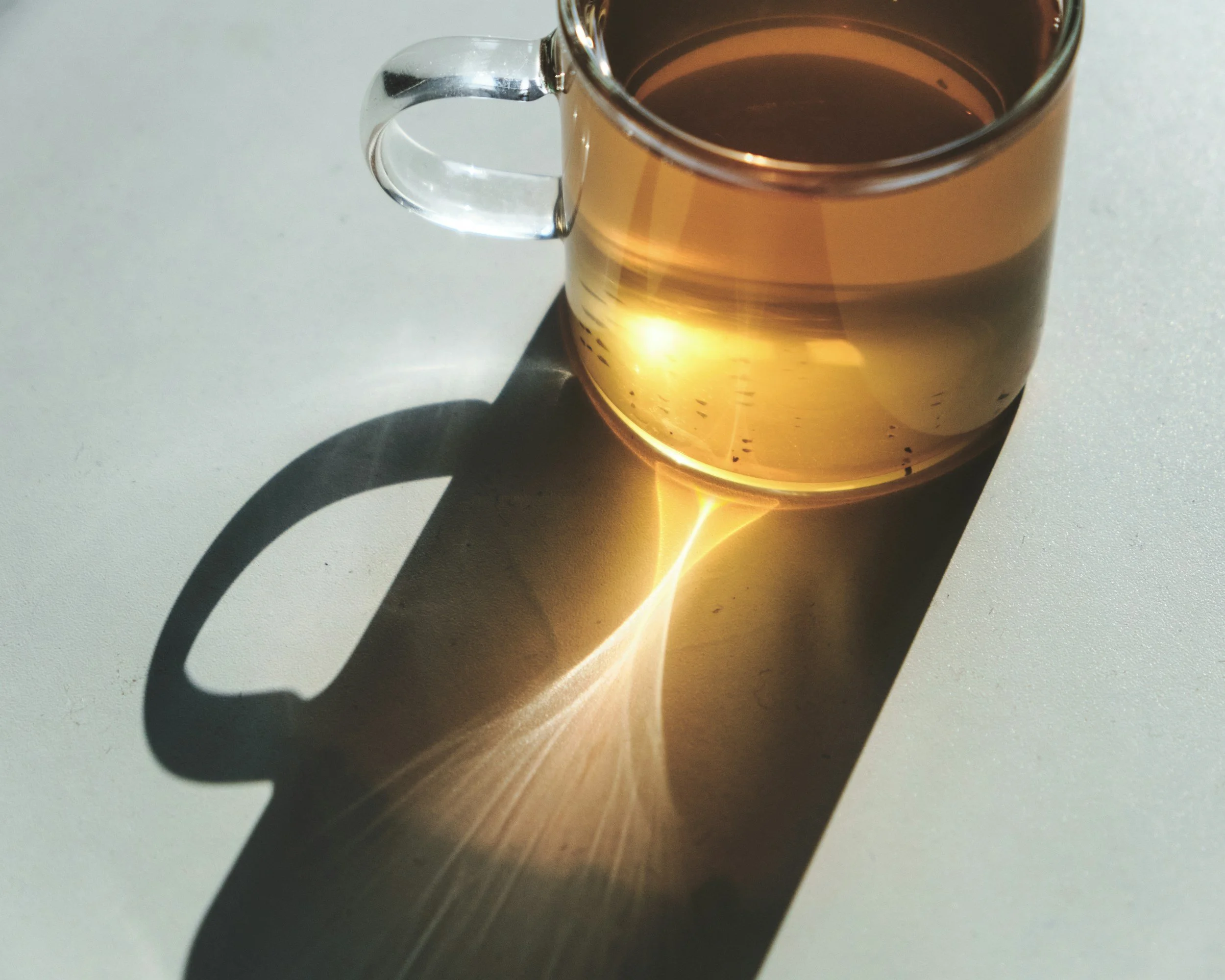
Ashwagandha tea
Ashwagandha tea is also known as Yogi tea or Indian Ginseng. It’s made from the cut and dried root of the plant Withania somnifera, a relative to potatoes native to India, Northern Africa and the Middle East. The tea is milky, the taste is earthy. It’s been used in Ayurvedic medicine for centuries. It is known as an adaptogen, non-toxic plants beleived to help the body resist stress.
Don’t take it without medical advice if you are taking medications for thyroid , autoimmune disorders, or prostate cancer, high blood pressure, diabetes, seizures or other sleep medications.
Tests have shown the tea to help:
sleep efficiency;
total sleep time;
waking up properly;
reduce fatigue;
relieves stress and depression.
The clinical trials we found had run for six weeks to three months with no major side effects noted. However, there are a few reports of more serious side effects after prolonged use, including liver issues.
Common side effects include loose stools, nausea and drowsiness, but are usually mild.
Our take: sounds almost too good to be true, we’re off to try it.
Chamomile tea
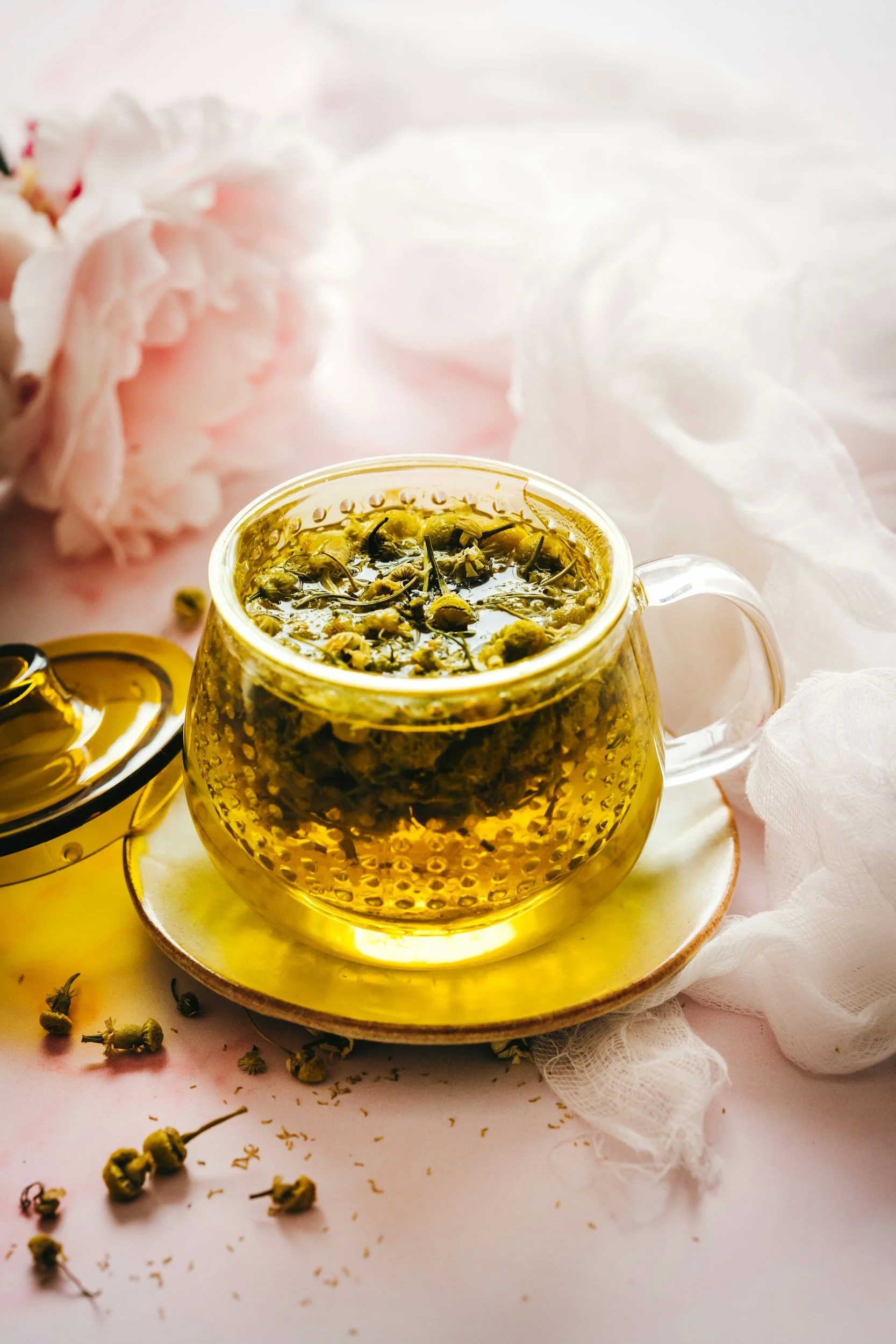
Chamomile tea
Chamomile tea is known to have a soothing effect and in many cultures is prescribed for upset stomachs. It contains an antioxidant (apigenin) that is known to reduce anxiety and help people relax..
Studies have revealed the following benefits:
improved sleep quality;
less waking up;
reduced anxiety and easier to relax;
can relieve some pain:
fall asleep faster.
Whilst chamomile is naturally caffeine-free, some manufacturers mix it with multiple types of teas, so check the label carefully. Look for whole flowers with a fresh, sweet, apple-like small. A dull or musty smell can mean it’s not going to be effective. Freshness impacts potency. Choose products harvested within the past 12–18 months if you can.
There are two types of chamomile, Matricaria chamomilla (‘German’) or Chamaemelum nobile (‘Roman’). German chamomile contains more apigenin and essential oils and is believed to be better for teas. However, because of that, it’s also sometimes more bitter tasting than Roman chamomile, which is milder, but consequently less effective..
Loose flower teas rather than tea bags tend to be fresher and taste better, and reduce the risks of manufacturers additives, but, of course, are messier!
Chamomile tea has not been found to have any side effects like fatigue. However, some people allergic to ragweed (a daisy like plant from the US, invasive in the UK) or chrysanthemums are also allergic to chamomile. Both plants belong to the Asteraceae family.
Without medical advice, it’s also not recommended during pregnancy, if you’re taking blood thinners (like warfarin) or other sedatives.
To ensure good quality if buying off the shelf, make sure the following appears on the packaging:
botanical name;
expiry date or harvest date;
mixes with other herbs or teas
country of origin.
Look for products regularly tested pesticides or mould.
Our take: as long as you’ve read the provisos above, chamomile is known to be a good option.
Lemon Balm Tea
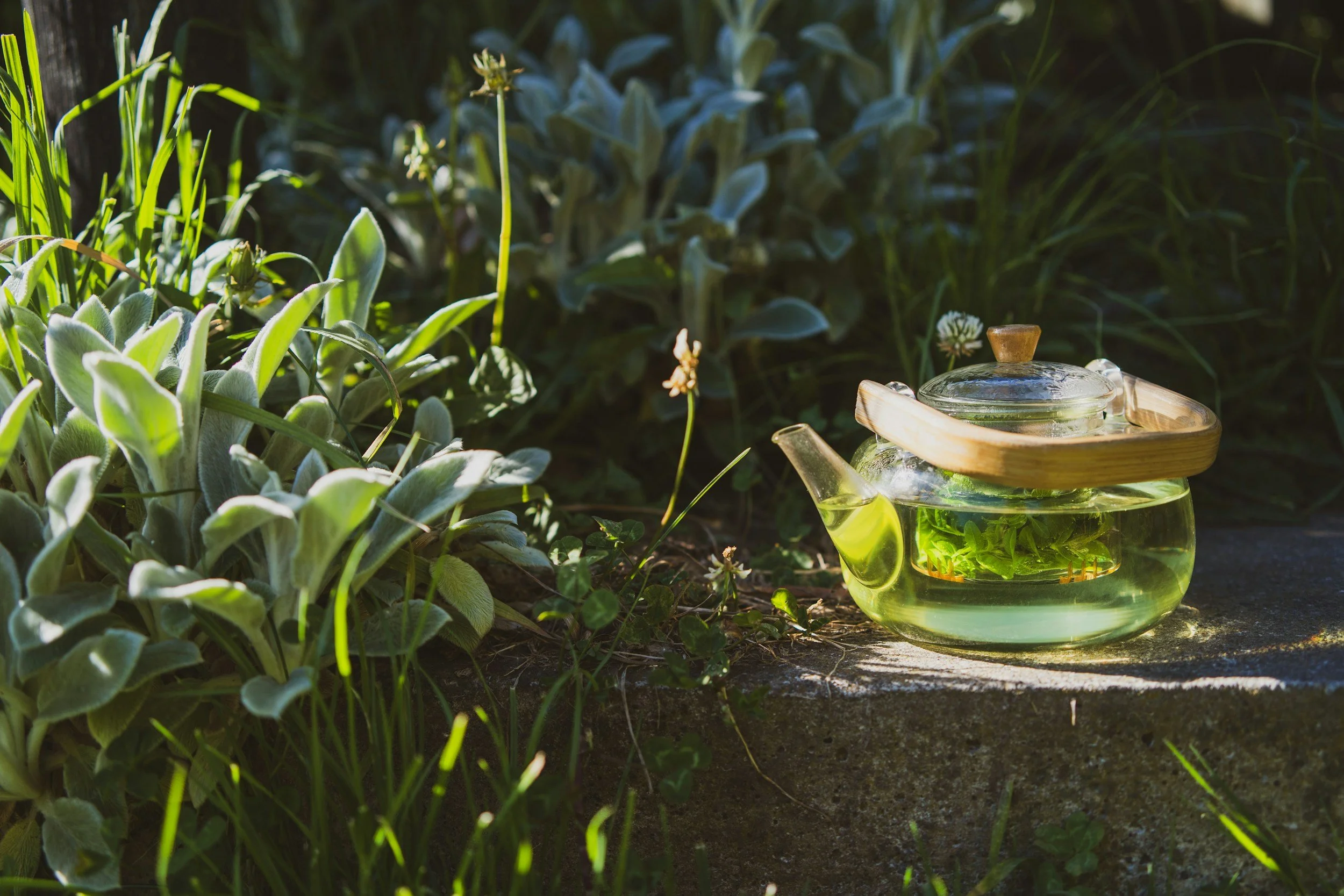
Lemon balm tea
Other names for lemon balm include bee balm, cure-all, dropsy plant, honey plant, garden balm, heart's delight, sweet balm and Sweet Mary.
Lemon balm tea is a tradition remedy, used for centurie to help digestion, help sleep and relaxation, improve moods, soothe skin, and help heal wounds.
Scientific tests have shown that lemon balm can:
reduce insomnia;
reduce the effects of stress on nerve and other cells;
offer significant improvements in sleep-quality;
reduce restlessness and agitation;
regulate moods;
reduce anxiety and depression;
act as an anti-inflammatory.
Additionally, lemon balm has been thoroughly tested, including on children, and is very safe. However, consult your doctor before taking with medications for thyroid, glaucoma or HIV, or if you already taking sedatives for insomnia.
You can make lemon balm tea from either fresh or dried lemon balm. If using fresh, use it quickly. It can be mixed with other herbal teas etc.
Our take: the benefits may be well beyond the sleep benefits.
Passionflower Tea
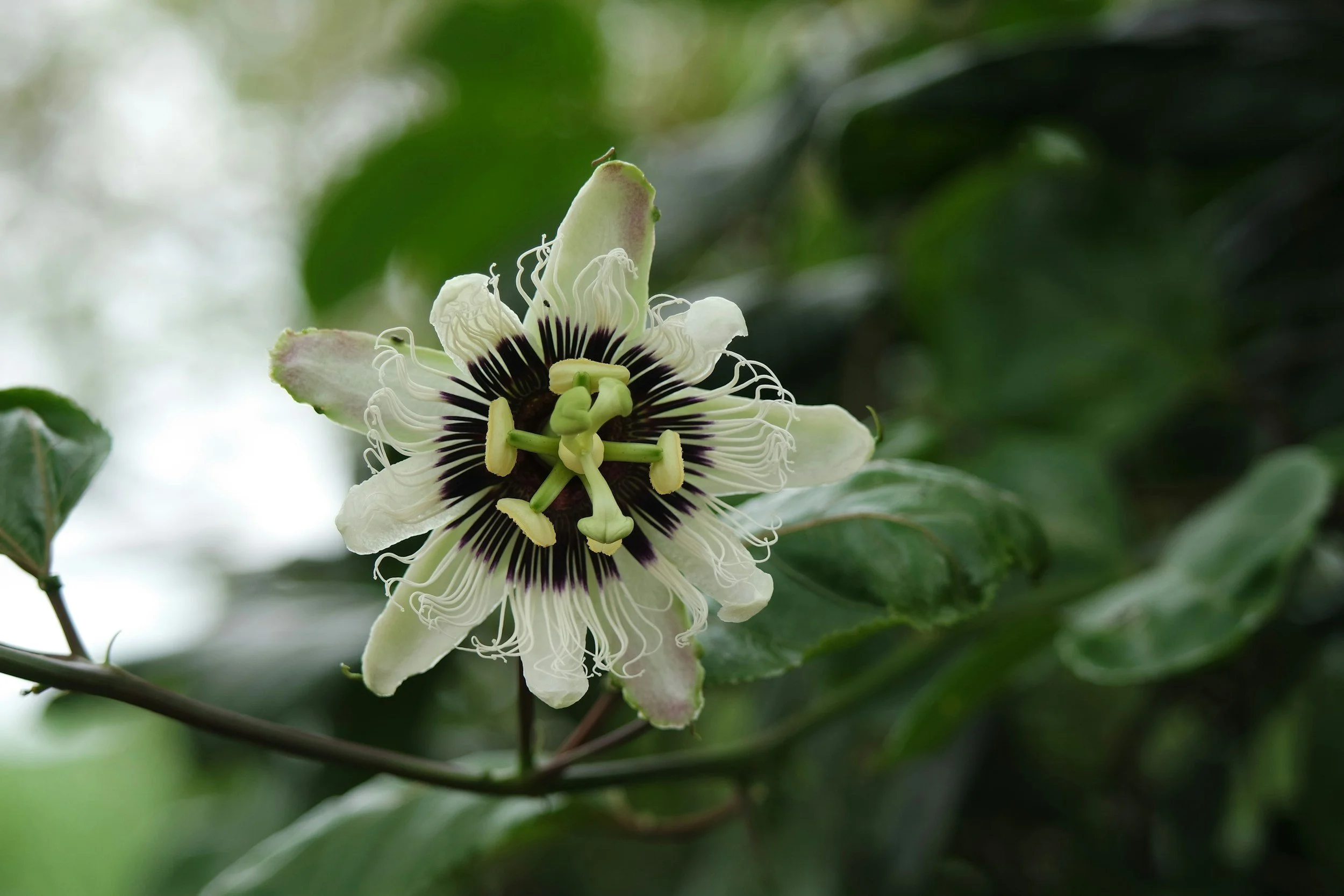
The main type of passion flower tea is Passiflora Incarnata, also sometimes called Maypop, apricot vine or maracuja.
Passionflower has traditionally been used as a sedative. Research appears to show that passionflower can:
reduce anxiety;
reduce stress levels;
reduce depression;
improve mood;
help with concentration and memory.
It can take two weeks to a month, taken regularly, to have full effect, depending on dose - stronger doses should only be taken for a week. Unfortunately we couldn’t ascertain what those doses are from the materials and tests that we found.
Check the contents of anything you buy as names other than Passiflora Incarnata may, apprantly, mean that the tea will be mixed with other herbs. It’s fairly common to blend it with other teas for flavour or potency.
Notes of caution: take medical advice before using if you are pregnant, and passionflower can cause drowsiness so watch out with machinery, including cars.
There are a lot of mixes with other teas out there. We’d avoid mixing with a sedative like valerian tea, but chamomile, lavender and lemon balm are relaxants and we’d be more comfortable with these mixes. The others are probably fine, but if you’ve come to this site following a trauma, the last thing we’d want is to create issues rather than helping.
Our take: we couldn’t find masses of research, but grounded advice seems to be to take a good quality (strong) tea for no longer than a week.
Peppermint Tea

Peppermint tea
Peppermint tea contains all kinds of things that are good for you, and in the context of sleep can help ease fatigue and anxiety. Naturally caffeine free, peppermint is antimicrobial, antiviral activities, antioxidant, antitumor and even has some anti-allergenic potential.
Studies reveal peppermint tea to help:
relax muscles;
calm nerves and release stress;
reduce headaches;
clear congestion;
reduce fatigue;
combat allergies.
Mentha Piperita (Peppermint) is stronger in both taste and effect. Sweet mint or spearmint (Mentha spicata) is gentler, both in taste and effect. Check the label to ensure it is 100% peppermint and not a blend, especially not a blend with caffeine-carrying leaves.
Ideally, choose a whole leaf tea rather than a finely cut or powdered one. Larger leaves (at least 3mm) and minimal stem are ideal. Tea with stems is cheaper but has a bitter taste and less effect. Low-quality tea leaves are ground into fine dust, making it hard to see the stems or leaf quality. This also causes the remaining menthol in cheap teas to dissipate.
A good way to check quality of mint in teabags is to look in the teabag after use: a bright green leaf mix will be much higher quality and more effective than browner leaves/powder.
You can also apply boiling water to fresh mint - delicious!
Our take: readily available and well tried and tested. Probably won’t knock you to sleep but will certainly be a pleasant way to relax you ready to sleep well.
Valerian Root Tea

Valerian root
Valerian root apparently contains two naturally occurring sedatives, making it effective as a sleep aid, valepotriates (relaxing) and sesquiterpenes (anti-inflammatory, antimicrobial, and antioxidant).
Studies have revealed that Valerian root can:
decrease anxiety;
increases drowsiness/sleepiness;
have a positive effect on sleep;
counter the effects of caffeine (approximately an hour after taking the Valerian).
The good news is that the worse the insomnia, the greater its effect is reported to be. And it doesn’t affect mental performance.
Not all Valerian is born equal. Some studies report benefits falling asleep faster and better sleep, whilst others have found no significant difference when compared to a placebo. In one study, almost 90% of participants reported improvements in sleep after drinking valerian tea.
The ‘placebo effect’ shouldn’t be understated - if we believe we can fall asleep, it’s one less barrier. But scientifically, the difference may be due to the quality of the herbal extracts. (It’s suggested that more reliable results can be expected from the whole root/rhizome.) Valerian hops have been reported to be particularly effective.
Interestingly a 600 mg dose seems to help, but 1800 mg increases anxiety. So more is not necessarily better. Also Valerian Root is an ‘adaptogen’, needing time and consistency to adapt to its effects. It’s not a one hit wonder!
Of course people can react to anything, but Valerian root is scientifically reported as having neither moderate or serious adverse reactions.
Some people don’t like the taste and small - it can be a little bitter, and tastes earthy. Many recommend taking it with honey.
Our take: well worth a try if you have an ongoing sleep issue. Seems fairly effective
Teas we didn’t include, and why
We didn’t include the following, although they come recommended by some:
banana tea - there’s not enough testing happened. However, fresh banana’s (eaten) contain tryptophan,which the body converts into serotonin and melatonin, hormones that regulate (help) sleep;
fennel tea - simply not enough research, and what has been done under lab conditions was with a very specific group and showed no benefits;
lavender tea - the benefits that the essential oils offer don’t seem to translate to teas, although there’s not a lot of research out there.
magnolia bark tea - some sources suggest that whilst it may help to sleep, there are also signs that it can cause restlessness/wakeful periods, even if returning to sleep is reported to be easier;
rooibos tea- - whilst it’s reported to improve cholesterol levels, lowering the risk of heart disease and stroke, this article is about teas to help you sleep. High cholesterol can cause sleep apnea, a medical condition,so we can see why others would include it.
Handy Hints:
Tea Storage
Store in dark, airtight containers to protect the teas from light and moisture. If they come packages, choose card packaging rather than clear packaging - whilst large quantities in a plastic bag may look more ‘natural’, they will deteriorate faster. Whilst this won’t harm you unless the teas have gone mouldy/been contaminated, the teas won’t be as effective.
Timing
Give yourself time to enjoy the tea before going to bed. Drinking too close to bedtime might wake you up later needing to go to the toilet.
Choose Organic?
Organic teas are likely to taste stronger and have a more positive effect. This has to be balanced, of course, with budgets and availability, but the essential oils in many of the teas mentioned above are where a lot of the goodness emerges from. They’ll dry out and reduce with age and processing.
Note: this article has been researched using a variety of reliable sources, including academic ones where we could find them. The purpose of the article is to help suggest some teas to support sleep, not to expound any wider health benefits. At CAAGe we are not, nor do we aspire to be, health experts, and if you have any causes for concern, immediately stop using the tea and consult professional medical help. We should also point out that our research for this article was undertaken to make recommendations for adults, not for children.