

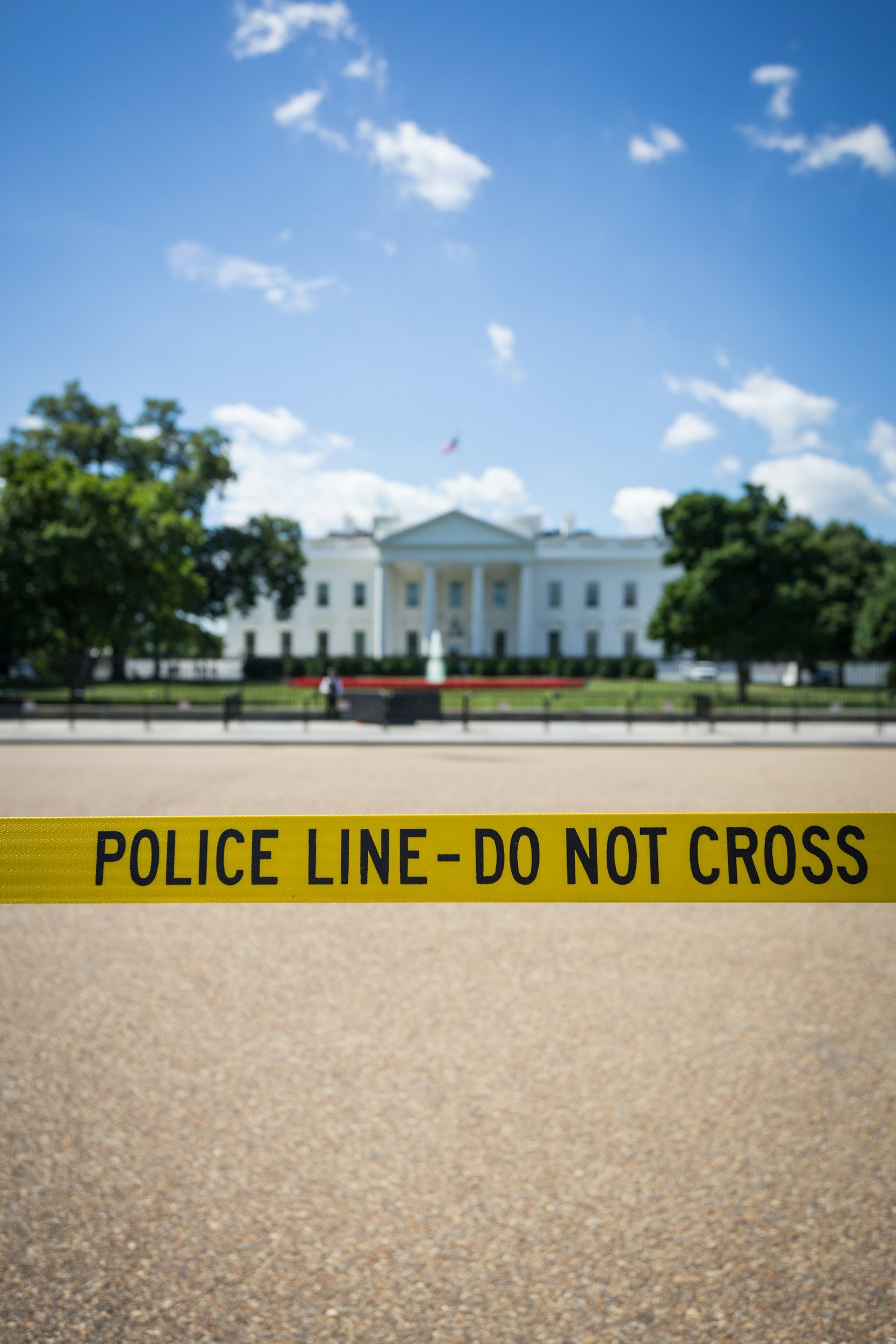
Spycops: State sponsored adult grooming
What is ‘Spycops’ about?
Police investigating activist groups were encouraged to form relationships with members of those groups to infiltrate them. Often the people they targetted for relationships were not the actual targets of investigations, merely ‘disposable assets’ who were horrendously used to obtain information.
Information the police actually accrued undercover appears sparse, but the officers involved, in our view, overstepped a line by forming romantic and sexual relationships with people, even having children.
Some of the officers were married and lived doubly double lives. Some took the identities of children who had died.
It is almost impossible to justify the officers’ actions. Many people’s lives were ruined, and the long term effects linger on.
There are still enquiries and legal activities, but justice for the deceived victims does not seem to be served, and accountability a distant dream.
The long term effects of these behaviours include the fact that Rape by Deception has effectively been rendered legal, with no way for those deceived into relationships having little legal recourse unless other crimes have been committed.
One sadness to us at CAAGe is that in setting up this ‘Spycops’ page we became aware of female infiltrators - there will be male victims as well. So far, we’ve seen no recognition of this group.
There is an important societal conversation to be had about boundaries and accountability in policing - some of the officers were still defending their actions as late as 2024. Too many lives have been destroyed for simply standing up for what they believed was the right thing to do, using their right to protest. When campaigners break laws, they are all aware that they may face consequences. When they join a group and find themselves deceived at a personal and intimate level, that’s a separate conversation.
It’s not an understatement to say that the Spycops case hits at the very core of our justice and democracy systems, with far reaching political consequences, and deserves far closer attention than it currently receives.
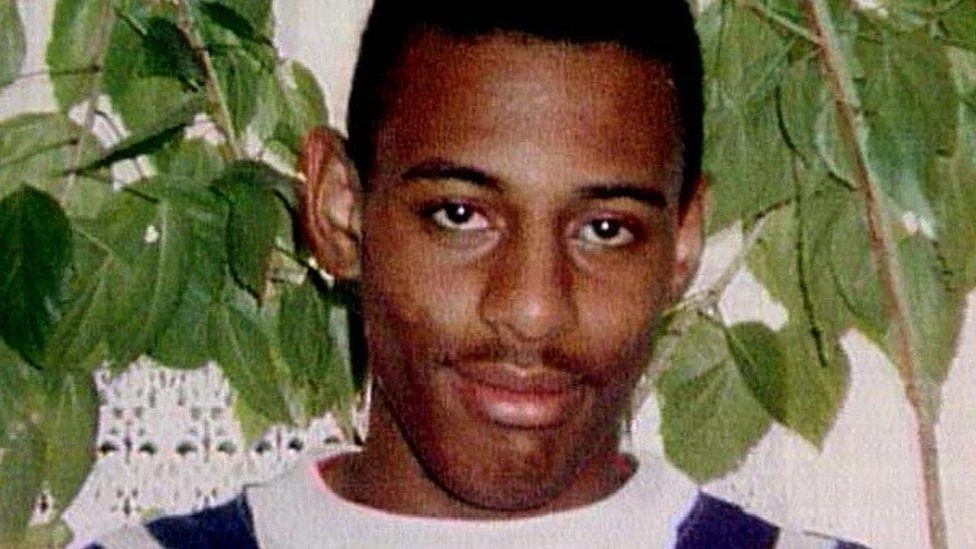
It starts with Stephen Lawrence
It may seem odd starting a page on the Spycops story with the tragic story of the racist murder of 18 year old schoolboy Stephen Lawrence, at the hands of as many as six racist thugs, of whom only two have have served any time.
Thanks to the tanacity of his parents, friends and community, the Metropolitan Police eventually came under scrutiny. The activities of the Special Demonstration Squad (SDS), initially known as the Special Operation Squad, came under scrutiny. It was an undercover unit set up by the Metropolitan Police Service (“the Met”) between 1968 and 2008.
We have long been advocates of police reform, but the scale of misdoing and bad players in the Stephen Lawrence story simply increase that feeling, and moreover leave a sense of ‘why does the Met still exist’? It is of some comfort that the SDS is now disbanded, but the level to which they overstepped normal boundaries was astounding
We all owe a huge debt of gratitude to those who surrounded Stephen Lawrence. His parents were spied on. The group campaigning (rightly, as it transpired) for investigations into Stephen’s murder were treated as activists and infiltrated. His friend, Duwayne Brooks, having seen the murder, was targetted repeatedly by police. This is all outside of the remit of CAAGe, but we have included a myriad of reports at the and of this page, simply because with the Lawrence’s persistance, the people groomed into false relationships by bad players within the SDS would never have known the truth.
Testimonies
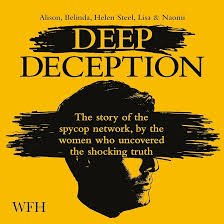
Book Review: Deep Deception, by Alison, Belinda, Lisa, Naomi and Helen Steel
Hearing and seeing these brave women, who were all seeking to make the World a better place (greener, kinder to animals, free of cruelty), cheated by the people who are supposed to be there to protect us, makes tough reading.
Of course we expect police to keep an eye on what’s happening when extreme protests erupt into bombing or violence, but in this case, officers overstepped the mark, grooming people into highly personal realtionships.
Police Spies Out of Lives Testimonies
Police Spies Out of Lives (PSOOL) is a support group that campaigns and works to achieve an end to the sexual and psychological abuse by undercover police officers.
We have linked below to some of the detailed resources they have gathered, public testimonies from the women affected by ‘Spycops’. Behind each button is a personal account of what happened to them.
Spycops Info podcast
This weekly podcast offers Spycops stories told by the people who were there. Contains profiles, reports and discussions. Some of the recordings are a little rough, but the value in these podcasts is the passion and the first hand accounts and people ‘in the know’, which, when lain alongside the reporting coming from the multiple enquiries should be enough to explain how invidious and damaging this was - and to make us want to ensure that it never happens again. If it hasn’t already.
The Guardian’s coverage of the Spycops story relates and summariese all kinds of related stories and information- personal accounts, exposes on the perpetrators, identity theft, inquiries and lies.
Adult sexual grooming is not a crime - at the time many of these women entered into relationships, they believed they were consenting. The truth, hoever, is that consent was manufactured, and the use of false names and identities is clear evidence of that. Whilst much has been made of the Gisele Pelicot rallying cry, ‘Shame Must Change Sides’, the same people lauding it often often victim blame when it comes to adult grooming. It is easy, therefore, to understand why many of these women choose not to be identified.
We can add to this the fact these women were criminalised in some cases, dehumanised by their descriptions by the undercover officers, and whilst we, as campaigners, applaud them for standing up for what they believe, others will argue their rights to hunt, to test animals, to violate human rights. Wherever we stand on their campaigning issues, those whose activity they were seeking to change will inevitably create a backlash. The rights and wrongs of each case are not one that we can take on as CAAGe, but for women whose lives have already been turned upside down, this can hardly be an appealing prospect. And for those taking legal action, there will be limits on what they can say.
Surely it’s time for someone in power to simply draw a line under the use of intimate relationships for police information gathering. It’s wrong and grooming does immeasurable damage to its victims. We’re not talking about James Bond-like characters fighting international assassins and saving the World. He was fictional, although we’ve seen some recounts suggesting that some of the officers may have fancied themselves as such.
Some of the targetted groups were saving hedgehogs!
It felt very wrong listing these women as just buttons to click through to see their stories, but on consideration, as so many of them want and deserve privacy, this was the rout we took: by referring to a source that has already collated their information, with links, and is maintaining that information up to date, it feels less intrusive.
The Guardian ‘Spycops’ Section
The Spycops Scandal, Secrets and Lies
Testimonies in Video
‘Alison’s story
Kate Williams talks about her own ‘spycops’ story and legal journey.
A compelling explanation of the damage caused by grooming, describing the manipulation and abuse.
ITV Love and Lies
“The chilling true story of scores of officers who posed as loving partners - and the women who became detectives to expose the infamous Spycops scandal.”
When the State puts spies into people’s lives, it’s way more than undercover policing. It’s grooming.
From the mouths of officers
Former undercover policeman Mark Kennedy (AKA Mark Stone) speaks to Channel 4 News. One thing is clear - he refutes that the force knew nothing.
An interview with Alison, who was aware that the police might watch, but had no idea about the truth. Trained, funded, false id.
Bob Lambert, an undercover spy, duped ‘Jackie’ into a relationship. A child was born. The Met acknowledged the relationship shouldn’t have happened, but are failing to address their duty to the child, and tried to fight him in court, denying responsibility.
ITV Love and Lies
ITV Love and Lies
People begin to understand what’s happening, and the level of deceit is frightening.
“Alison and Helen discover that their exes were part of a covert police spy unit, and Lisa exposes Mark online.”
We have tried to keep what we’re covering here to just mainstream media.
However, this is a former undercover police officer talking about tactics used.
Eleanor talks about how her environmental activism left her a target to police infiltrators who went too far. Rules were broken.
‘Andrea’ met the charismatic ‘Carlo Neri’, and believed he was, like her, a campaigner.
She wasn’t particularly active, but was a stepping stone to her friends and colleagues, left wing activists.
ITV Love and Lies
The women turn detective, uncover a state secret, and take legal action, as pressure piles onto the Metropolitan Police.
The Lush Campaign
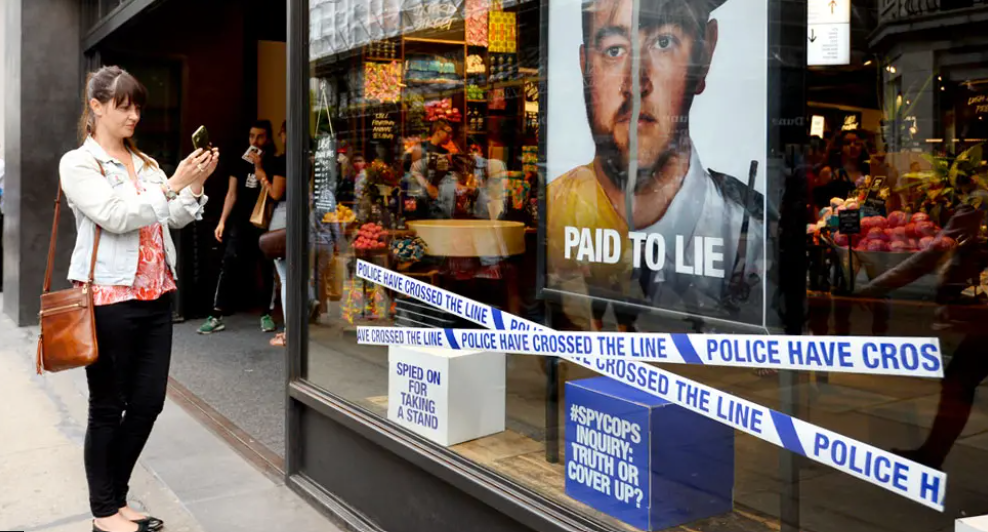
The cosmetics company, Lush, bravely - some might say foolishly - took on Skycops as a campaign in June 2018.
As environmental campaigners, it made sense in terms of alignment and how the business was positionig itself at the time. And their own staff are campaigners.
But the campaignmissed the mark. They were hit by a backlash that saw their staff threatened, and branches visited by ‘off duty’/retired police officers suggesting they stop. Eventually they were forced to drop the campaign.
Our view is that the campaign was not badly placed - the issue is one that affects anyone seeking change - so most charities - and that in a democracy the right to express that view should be sacrosanct. To m our knowledge, none of the officers who visited the Lush stores have been cautioned or reprimanded. Policing is a hard job, and many officers felt that this was an attack on their integrity. In our view it was far from it.
Good police officers thrive when bad ones are called out. If they can withstand groups of youths throwing things at riot sheilds, they can cope with a bit of tape in a shop window - albeit a highly significant one.
Sadly the campaign seems to have had the reverse effect, with the ‘Spycops’ topic becoming almost taboo, and coverage from the hugely expensive ongoing review into undercover policing is both minimal and sparse. (There are a lot of lessons to be learned about implementing campaigns, but marketing’s really not our concern here.)
Lush has removed the videos from the campaign from its YouTube Channel. Its essay about the scandal on its website has been removed. There are no press statements on its site prior to 2019. We’re guessing that they probably want to forget the whole thing. But for us it’s indicative of what sometimes happens to people who campaign at the hard edge for a better World.
It is, of course, concerning that police saw fit to visit the branches of Lush. Lines were crossed by that unit, now disbanded. There have been Police apologies - they have acknowleged wrongdoing. This should never be allowed to happen again.
Read more about the Lush campaign
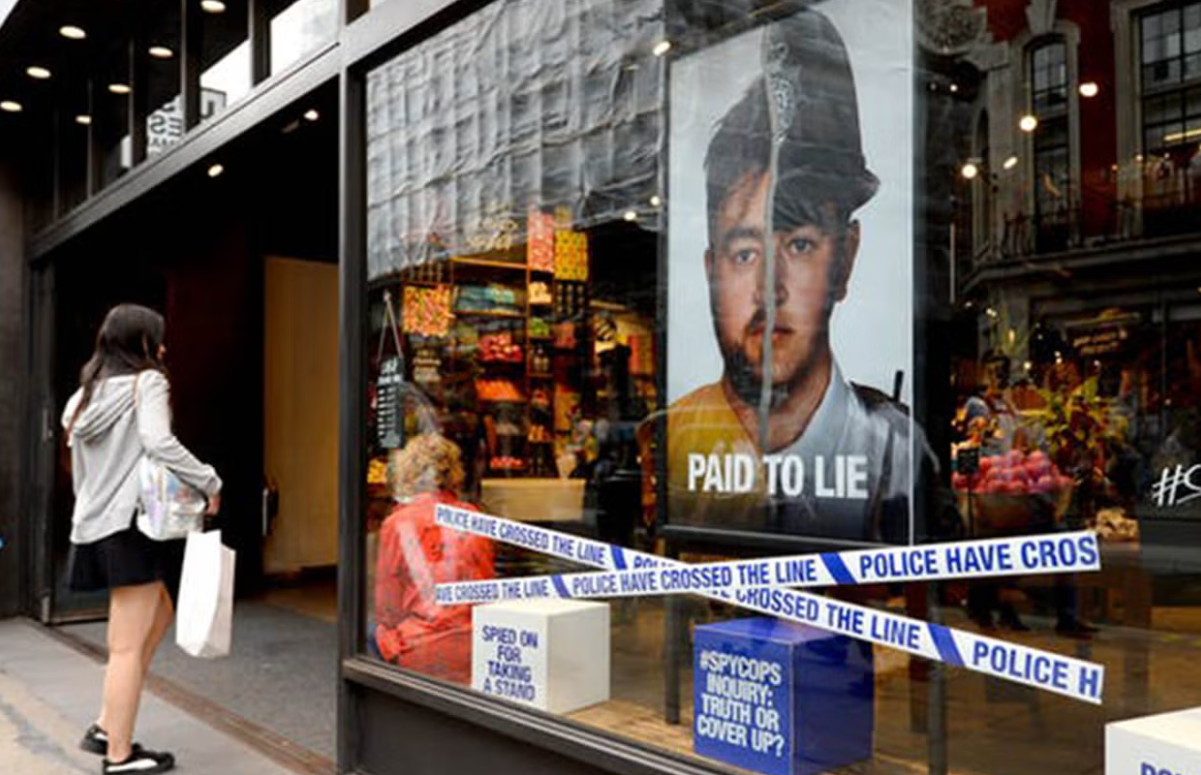
Why Lush was right to take aim at the undercover policing scandal
Independent, 2 July 2018
From bath bombs to spy cops – why cosmetic store Lush took on the police
The Conversation, June 27, 2018
Lush Campaign: Mad or Ingenious
Creative Review, 05/06/2018
Cosmetics retailer Lush criticised by police over 'spycops' ad campaign
Guardian, 1 Jun 2018
MPs and lawyers defend Lush against 'spycops' backlash
Guardian, 4 June 2018
SpyCops posters flushed from Lush
Sunday Times, 3 June 2018 (Paywalled access)
Image from Independent article listed first
Lush drops 'anti-spy cops' campaign
BBC News, 8 June 2018
Lush drops 'spy cops' campaign after backlash and 'intimidation from ex-police officers'
Independent, 8 June 2018
I don’t like Lush’s #spycops campaign, but shutting it down is an abuse of power
Guardian, 4 Jun 2018
Lush suspends ‘offensive’ campaign to protect staff
Police Professional, June 8, 2018
Lush stores take down posters following backlash to controversial SpyCops campaign
City AM, 03 June 2018
Image from BBC article listed first
The Stephen Lawrence Story
The story of Stephen Lawrence and the SDS told through official report after official report.
The Stephen Lawrence Enquiry, 1999 (Macpherson)
22 April 1993. 18 year old Stephen Lawrence was murdered in a racist attack in Eltham where he was waiting for a bus with his friend Duwayne Brooks.
Racial tensions were already high, largely because the police had disproportionately been using 'stop and search' ('sus') targetting young black men. The 1981 Brixton riots saw clashes between mainly black youths and the Metropolitan Police in Brixton, London. They were not isolated. Toxteth (Liverpool), Handsworth (Birmingham) and Chapeltown (Leeds), Broadwater Farm (London), Brixton (London) and Handsworth (Birmingham) also saw riots.
In 1978, issues had been highlighted in a report by the Commission for Racial Equality and others were to follow, all highlighting issues of unfair targetting and treatment.
It is only thanks to the utter dogged persistence of Stephen’s family, friends and community that justice even started to be done.
The events of that evening were not only to change the UK laws of double jeopardy (meaning that two of his murderers were finally convicted in 2012 - six aggressors had forced Lawrence to the ground and stabbed him in a brutal attack). Shady policing practises were to emerge. Urcover policing was to come under scrutiny, and efforts still continue today to deal with institutional racism in UK policing.
The report that set things in motion was The Stephen Lawrence Enquiry, run by Sir William Macpherson, which is also known as the Macpherson report or referred to as ‘Macpherson’.
Started in 1997, it took two years to complete, finally being published on February 24, 1999.
See: The Macpherson Report (pdf)
The recommendations were far reaching, including that a Ministerial Priority be established for all Police Services: "To increase trust and confidence in policing amongst minority ethnic communities". and that Her Majesty's Inspectors of Constabulary (HMIC) be granted “full and unfettered powers and duties to inspect all parts of Police Services including the Metropolitan Police Service”, an inspection to include all “current undetected HOLMES based murders and Reviews into such cases”. It was clear. The Police needed policing.
“We are bound to say that the conclusion which we reach is inescapable. Inappropriate behaviour and patronising attitudes towards this black family were the product and a manifestation of unwitting racism at work. Coupled with the failure of the senior officers to see Mr & Mrs Lawrence and to sort out the family liaison we see here a clear example of the collective failure of the investigating team to treat Mr & Mrs Lawrence appropriately and professionally, because of their colour, culture and ethnic origin.”
The Barker Review
The Barker Review was the Metropolitan Police's own inquiry into the Stephen Lawrence investigation.
Author Detective Chief Supt John Barker was criticised by Macpherson for deliberately not reaching any negative conclusions. Barker had even considered writing two versions of his review, one honest and one which omitted "any adverse references to the investigation" for the defence solicitors.
Sir William was fiercely critical of the Barker’s final review, which senior Met officers had been prepared to accept unquestioningly."
A later report was to find that “DCS Barker had imposed shackles upon his consideration as a result of what he sought to explain as “guidance” from senior officers. This had resulted in a flawed and indefensible report that had been deliberately ‘toned down’.”
It was early public outcry over the injustice that had led to the Macpherson inquiry.
Later Reviews and Additional Media nformation
2009 The Macpherson Report 10 years on (Home affairs Committee)
2013 Witness smears ahead of Macpherson Channel 4 News
2014 THE STEPHEN LAWRENCE INDEPENDENT REVIEW (Possible corruption and the role of undercover policing in the Stephen Lawrence case)
2018 The Murder that Changed a Nation (BBC on the Macpherson Inquiry)
2022 The Macpherson Report 22 Years On (House of Commons Home Affairs Committee)
Operation Herne
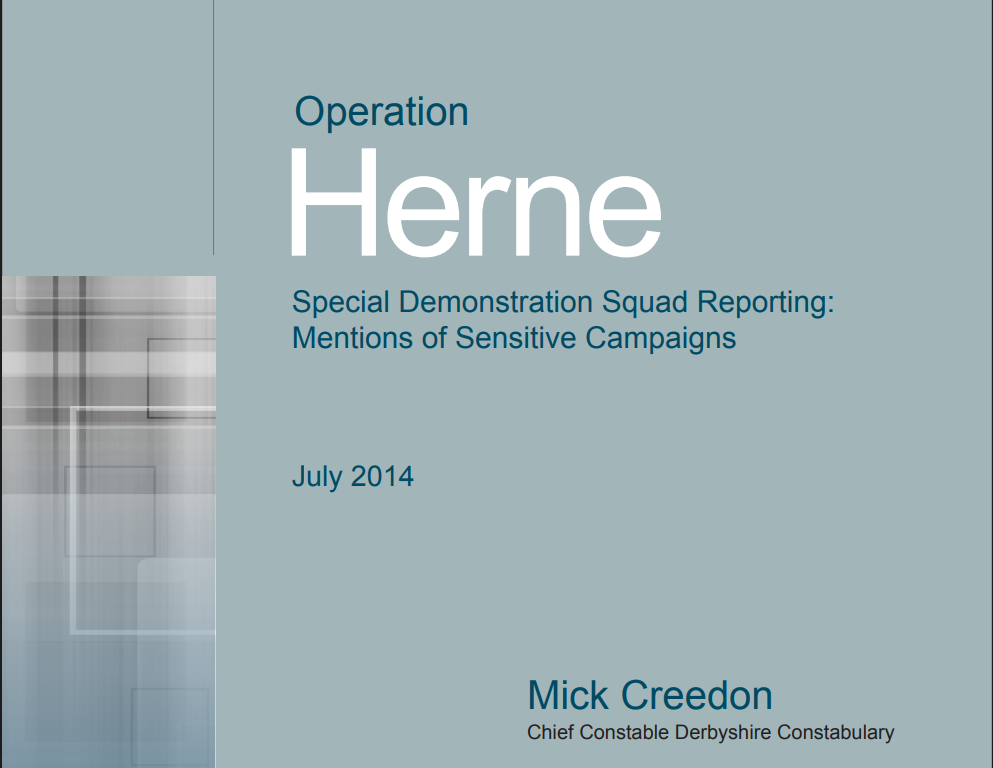
Operation Herne was an investigation undertaken by Mick Creedon, Chief Constable Derbyshire Constabulary. It was set up by the Metropolitan Police in October 2011 to investigate allegations of misconduct by undercover police.
Operation Herne was tasked to investigate allegations that:
SDS officers’ engaged in sexual relationships whilst deployed.
they used deceased children’s identities in the creation of their covert identity.
they targeted ‘Black Justice Campaigns’.
officers appeared in court using covert identities.
SDS officers supplied intelligence to ‘The Blacklist’*
SDS officers were tasked to gain information that might be used to ‘smear’ the Stephen Lawrence family and Duwayne Brooks, and they were reported on
Widespread media coverage of Peter Francis’ claims about his time as an undercover officer for the Special Demonstration Squad (SDS). (He is also known as Peter Black and Officer A) largely triggered the reporting, which fell into three reports:
The reports and coverage blew the lid on SDS undercover officers having inappropriate sexual relationships whilst deployed. It exposed the ‘Tradecraft’ document which provides informal tacit authority and guidance for officers faced with the prospect of a sexual relationship (although at the time no evidence was found of sexual activity ever being explicitly authorised and or of sexual activity being utilised as a management supported tactic to aid infiltration, something that time seems to have challenged.
Whilst some managers within the SDS (!993-1997) expressly forbade sexual relationships, officers have admitted to inappropriate sexual relationships whilst deployed undercover.
Legal counsel was asked to consider offences such as rape, indecent assault, and procurement of a woman by false pretences and misconduct in a public office. The written advice received was that in their opinion those offences were that the behaviour alleged did not amount to a sexual offence.
Undercover actions were consequently characterised as unstructured and ad-hoc, and investigations began into allegations of inappropriate sexual relationships. Some women were already engaged in civil actions alleging intimate relationships with undercover officers; Three children were alleged to have been born as a result of these relationships. Complainants were naturally reluctant to engage.
No offences contrary to Sexual Offences legislation were identified, although possible offences of Misconduct in a Public Office were noted. Although they had no evidence at the time that sexual relationships between undercover officers and activists were ever officially sanctioned or authorised by the SDS management, there was clear (written)evidence of informal tacit authority regarding sexual relationships - guidance was offered for officers faced with the prospect of a sexual relationship. Relationships were characterised as consensual, and an advice file was submitted to the CPS for consideration regarding potential criminal charges.
Importantly to us in the context fo sexual grooming, the report concluded that “Any circumstances where it would be appropriate for such covertly deployed officers to engage in intimate sexual relationships with those they are employed to infiltrate and target. Such an activity can only be seen as an abject failure of the deployment, a gross abuse of their role and their position as a police officer and an individual and organisational failing. It is of real concern that a distinct lack of intrusive management by senior leaders within the MPS appears to have facilitated the development and apparent circulation of internal inappropriate advice regarding an undercover police officers engagement in sexual relationships.”
*The Blacklist: A Blacklist is defined as a list or register of entities or people who. for one reason or another, are being denied a particular privilege, service, mobility, access or recognition; a list privately exchanged among employers, containing the names of persons to be barred from employment because of untrustworthiness or for holding opinions considered undesirable. The first organisation known to have coordinated “Blacklisting" in the UK was the Economic League (EL). Established in 1919 to protect Free Trade from the growth in popularity of Marxism/Communism at the time, their blacklist recorded those deemed to be left-wing troublemakers within the whole range of industry. The EL closed in 1993, after a series of scandals regarding the accuracy of its material and a parliamentary inquiry. (Source: Operation Herne archives)
The Ellison Review
In July 2012, politician Teresa May commissioned Mark Ellison QC to conduct a review examining allegations of corruption surrounding the initial, deeply flawed, investigation of the murder of Stephen Lawrence.
Ellison was also asked to examine whether the Metropolitan Police had evidence of corruption that it had not disclosed to the Macpherson Inquiry.
The Stephen Lawrence Independent Review, March 2014
Part of the terms of this inquiry included:
What was the role of undercover policing in the Lawrence case, who ordered it and why? Was information on the involvement of undercover police withheld from the Macpherson Inquiry, and if it had been made available what impact might that have had on the Inquiry?
What was the extent of intelligence or surveillance activity ordered or carried out by police forces nationally in respect of the Macpherson Inquiry, Stephen Lawrence’s family or any others connected with the Inquiry or the family?
What was the extent, purpose and authorisation for any surveillance of Duwayne Brooks and his solicitor?
The findings were hampered. Many records had disappeared, some openly shredded. But it was clear that the SDS (uncover police) had been deployed in unnecessary ways.
The report can be seen: here
BBC Summary, 2014: Undercover Police, What Have We Learned
The Undercover Enquiry
The Undercover Policing Enquiry was set up in 2015 to get to the truth about undercover policing across England and Wales since 1968 and provide recommendations for the future.
It is uncovering lots of information, including information about victims who already spoken up. It is believed that there may be around 200 victims groomed by police officers in order to obtain information about activists, people campaigning for what they believed in.
Some may have broken the law in pursuit of their aims, but policing overstepped a mark when people were duped into intimate relationships with people who were not who they believed them to be.
Grooming? Absolutely!
Elements:
Intent: the officers intended to deceive;
Consent: the vistims would not have consented to intimate personal relationships had they known the truth.
So far the enquiry is one of the most expensive in British history, by April 2026 believed to be clocking in at around £120 million, although final figures will be produced later.
Information on Andy Coles’ ‘Tradecraft Manual’, which shows clearly that this was an organised infiltration rather than officers acting beyong their scope: Tradecraft Manual
This is the video channel for the enquiry: Undercover Policing Enquiry official YouTube channel.
Metropolitan Police Involvement: Met’s web statement
Transparency corcerns raised by Unite when terms of enquiry announced: Trade union leaders demand transparency in Spy Cops Public Inquiry
On March 21, 2018 Spycops Inquiry participants apparently walked out of the day’s hearing in protest at the lack of disclosure.
To be continued….
World Unspun video podcast on Jessica’s part in the enquiry
Lambert’s undercover role - persuading people into an anti-fur attack on Debenhams. And even had a child with an activist.
Funded by the Joseph Rowntree Charitable Trust, Spycops Research aims to make the material that has been released during the Undercover Policing Inquiry (UCPI) accessible for all and to set an example for future public inquiries. It is designed for journalists, lawyers, academics and – most importantly – those spied on.
The public inquiry into the spycops scandal was announced in 2014. Activists had already exposed how undercover police officers had infiltrated their movements, creating fake identities from the birth certificates of dead children and deceiving female activists into sexual relationships.
Events are still shrouded in secrecy. This projectaims to show what is possible, what is best practice, and to inspire others.
It contains detailed individual profiles of the undercover officers deployed and their managers in the very early period of spying of 1968-1972 and the groups spied upon during this formative period are also included.
The extensive procedural section explains and simplifies the Inquiry’s complicated workings. It allows those likely to be called to give evidence an in-depth understanding of their rights and what might be expected of them.